KULTUR // KWIET NOISE — VOL. 5.5 / FIELD NOTES / 2026 ▌

KWIET NOISE 5.5

THE KWIET NOISE MANIFESTO

KULTUR // KWIET NOISE 5.5Page 01

VOL. 5.5 / FIELD NOTES / 2026

THE KWIET NOISE MANIFESTO.

Four propositions. Two tracks. One visual language moving between sound, symbol, clothing and the street.

ENTER THE ISSUE ↘

PRESSURE → LOOP ↻ WARMTH   [ MUD ] → [ PICTOGRAPH ] → [ PIXEL ]   CORPORATE LOGO // OVERRIDE → STREET ARTIFACT   PRESSURE → LOOP ↻ WARMTH

KULTUR · KWIET NOISE · 5.501
KULTUR // KWIET NOISE 5.5Page 02

00 / CLAY / LETTER / PIXEL

CUNEIFORM TO CODE

A mark needs a surface. A language needs people. Code gives the sign a new route, but the old question of meaning stays open.

TRACK A — ENGLISH

A wedge pressed into wet clay leaves evidence of a hand. Cuneiform was used for several languages across ancient Western Asia; its signs took shape through a tool, a material and a need to record. The tablet held the mark in place. Its reader still had to know the system around it.

The route from clay to screen is not a straight line. Carved images, alphabets, metal type, industrial pictograms and digital characters belong to different histories. They can be placed in conversation without pretending that one naturally became the next. Every system makes choices about what to carry, what to leave out and who is expected to read it.

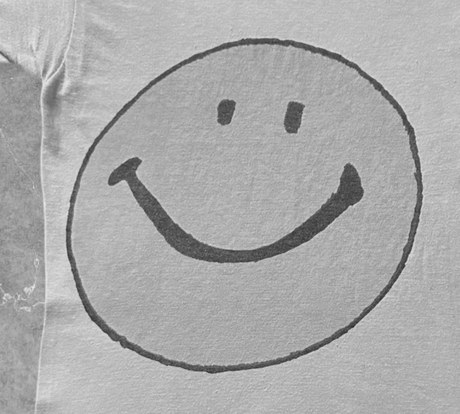
Henry Dreyfuss gathered signs into a paper sourcebook so designers could find and compare them. Unicode gives written characters stable identities for exchange between machines, while a font draws their visible shapes. Neither system alone can decide what a sign means in the street. An Acid House smiley can be a drawing, a badge, a warning or a memory depending on who wears it and where.

This issue keeps two tracks running. Track A speaks in sentences; Track B compresses a passage into signs and operators. Translate back and some friction appears. That friction is useful. It reminds us that a pixel still has a maker, a context and a reader, just as a wedge did.

THE MARK MOVES. THE QUESTION OF MEANING TRAVELS WITH IT.

TRACK B — SYMBOL ROUTE

[ CLAY ] → [ WEDGE ] : [ LANGUAGE ] → [ PRINT ] ⊕ [ PICTOGRAM ] → [ CODE POINT ] × [ CONTEXT ] ∴ [ READABLE SIGN ]

KULTUR · KWIET NOISE · 5.502
KULTUR // KWIET NOISE 5.5Page 04

02 / THE GLYPH GRAMMARROUTES / STATES / CONSEQUENCES

A LANGUAGE YOU CAN OPERATE

MEANING IN MOTION.

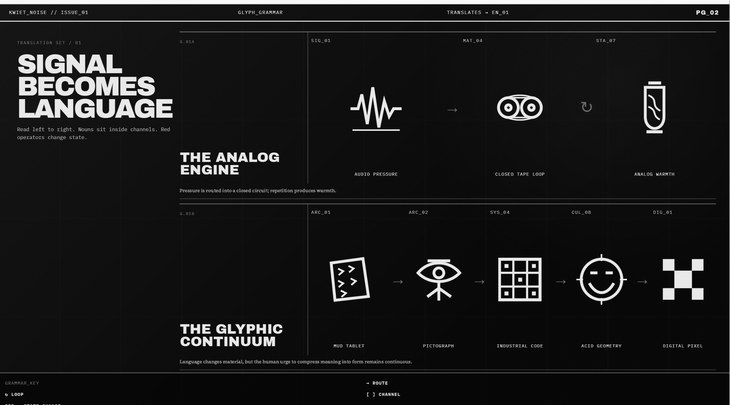
Put nouns in channels. Use operators to change their state. Choose a route below and step through the transformation.

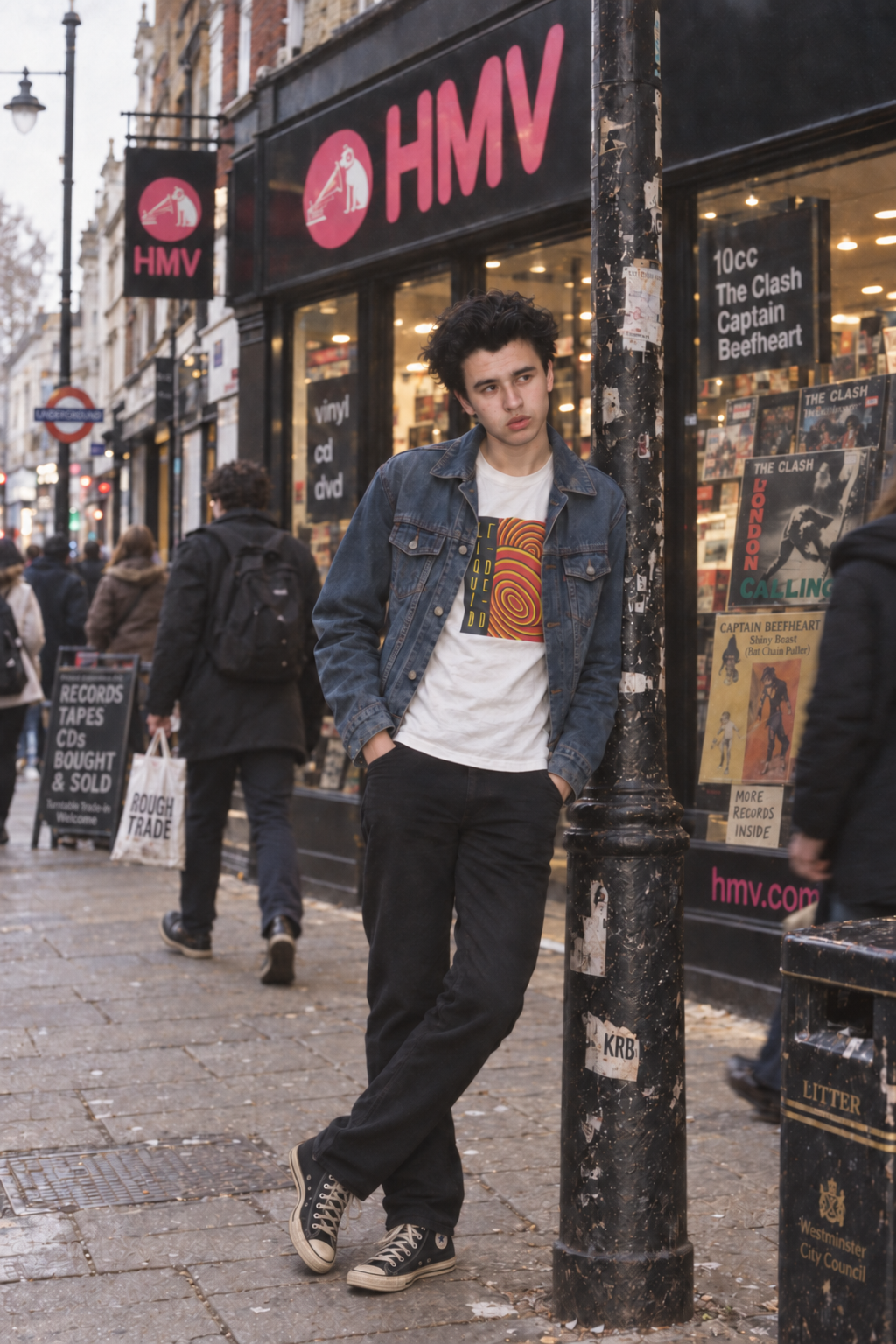
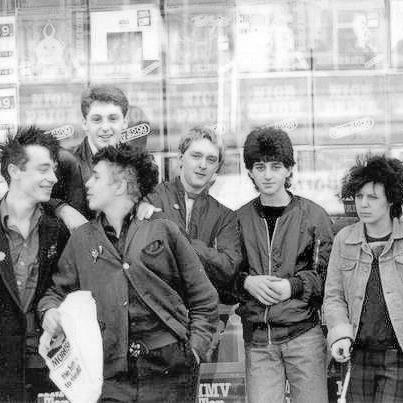
Teenage Barnz outside HMV, London

MOTION WITH MEANING — TEENAGE BARNZ IN CONTROL

ANALOG ENGINEGLYPHIC CONTINUUMDÉTOURNEMENTWEMBLEX ARCHITECTURE

LIVE ROUTE / ANALOG ENGINE01 / 03

≋

[ AUDIO WAVEFORM PRESSURE ]

Sound begins as physical pressure. The signal has a body before it has a format.

← PREVIOUS

NEXT STATE →

↻ LOOP

REPETITION

→ ROUTE

TRANSFORMATION

[ ] CHANNEL

CONTAINER

⊕ ASSEMBLE

COMBINE

× FRICTION

COLLISION

≠ REFUSE

REJECTION

: BIND

PROVENANCE

∴ OUTPUT

CONSEQUENCE

Red marks a change of state. // OVERRIDE reroutes an inherited meaning. Provenance is attached to the work, not used as a badge. Friction is productive when the structure can hold it.

KULTUR · KWIET NOISE · 5.504
KULTUR // KWIET NOISE 5.5Page 05

01 / MASK / POP SABOTAGE

EYEBALLS, ANONYMITY & POP SABOTAGE

How The Residents hijacked Hank Williams, conquered clubland, and built an avant-garde empire.

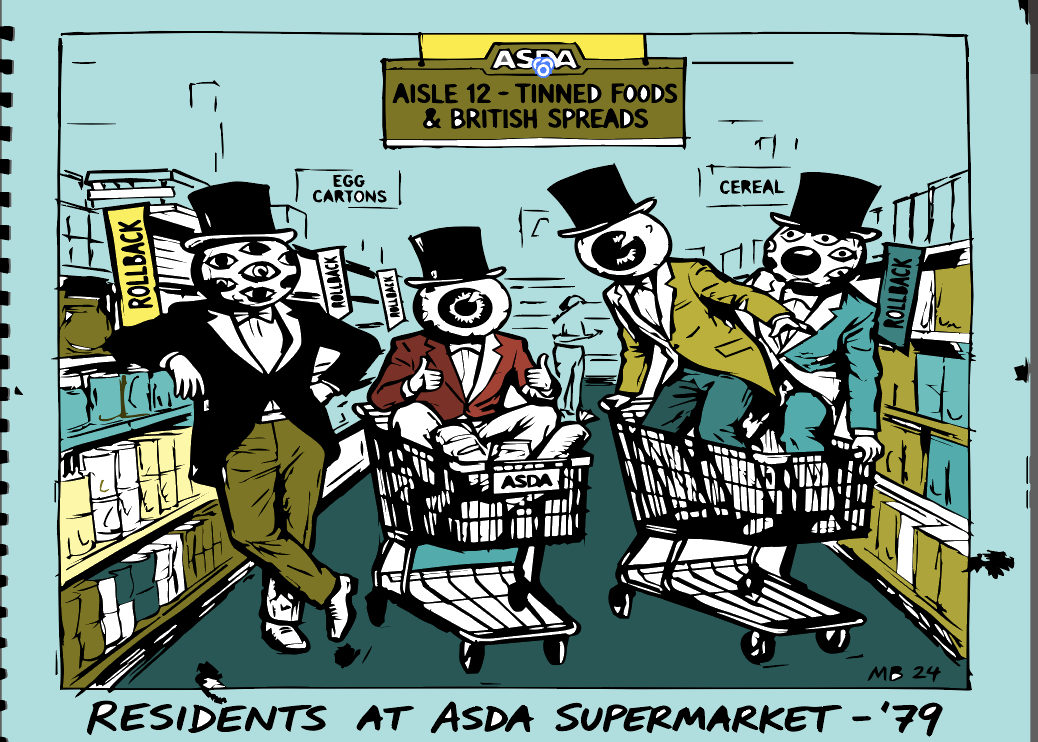
Illustration of four eyeball-headed Residents in an ASDA supermarket aisle

SUPPLIED ILLUSTRATION / RESIDENTS AT ASDA SUPERMARKET — ’79

TRACK A — ENGLISH / THE ARTICLE

01 / KINGS OF THE COSMIC EYEBALL

Imagine four anonymous figures standing in pristine white tuxedos, their heads completely encased in giant, glossy eyeball helmets topped with silk top hats. For over half a century, The Residents have reigned as pop culture’s ultimate subversives.

While mainstream rock bands fought over vanity and spotlight time, The Residents simply stepped into total anonymity in the early 1970s. Their debut LP, Meet The Residents (1974), set their manifesto in stone by defacing The Beatles’ cover artwork with drawn-on mustaches and devil horns. They weren’t just making weird music; they were systematically dismantling the machinery of pop mythology from the dark.

02 / THE “KAW-LIGA” HEIST

In 1986, The Residents executed one of the most brilliant pieces of sonic vandalism in music history: their cover of “Kaw-Liga.” Originally written in 1952 by Hank Williams, the song told the tragic tale of a wooden cigar-store statue in love with a wooden maid.

Instead of a straightforward acoustic tribute, The Residents stripped the song to its bare lyrics and collided it head-on with the driving bassline of Michael Jackson’s “Billie Jean.” The result was a grooving, alien Frankenstein track and an underground club sensation across Europe.

1950s country heartbreak × 1980s pop machinery = an unexpected dancefloor signal.

03 / DEBUNKING THE MYTHS: PENN & TELLER?

KULTUR · KWIET NOISE · 5.505
KULTUR // KWIET NOISE 5.5Page 06

Decades of secrecy bred fan rumours. One persistent legend claimed that Penn & Teller were secretly the men behind the eyeballs. Penn Jillette and Raymond Teller have never been part of The Residents.

Other theories floated names including Mark Mothersbaugh, Captain Beefheart and Les Claypool, who played bass live with the band. The group’s managerial and artistic nexus was the Cryptic Corporation, led by Hardy Fox and Homer Flynn.

04 / THE SECRET WEAPON: SNAKEFINGER

While the core members stayed hidden, their guitar hero operated in the open: Philip Lithman, known as Snakefinger. Legend has it that his name came from a photograph of his fingers contorted across a guitar fretboard.

His searing slide guitar ran through Residents records including Duck Stab, The Third Reich ’n Roll, and their remake of “Satisfaction.” Lithman died in 1987, leaving a singular mark on experimental rock.

RECORD REVIEW / RALPH / 1978

THE SPOT

SNAKEFINGER

7-INCH SINGLE

Snakefinger steps out from behind The Residents’ mask without abandoning their crooked machinery. “The Spot” sets his guitar at the centre: the hook has a quick, wiry pull, while the arrangement keeps nudging a possible pop single into stranger territory. It is playful without settling into a novelty record.

That tension is the point. Philip Lithman’s touch gives the music a visible pair of hands; the Ralph Records setting lets the tune bend and misbehave around him. With “Smelly Tongues” on the reverse, the 1978 single feels like a hinge between a guitarist’s signature and the collective’s anonymous world. A small record with a remarkably large shadow.

[ GUITAR ] → [ HOOK ] × [ RALPH MACHINE ] ∴ [ THE SPOT ]

LISTEN / KLANGGALERIE ↗

THE FACE IS A CHANNEL. THE SONG IS THE INTERRUPTION.

TRACK B — SYMBOL ROUTE
KULTUR · KWIET NOISE · 5.506
KULTUR // KWIET NOISE 5.5Page 07

[ FACE ] → [ MASK ] × [ COUNTRY SONG ] ⊕ [ POP BASSLINE ] → [ CLUB ] ∴ [ NEW LISTENING ]

REFERENCE / The Residents / historical archive

KULTUR · KWIET NOISE · 5.507
KULTUR // KWIET NOISE 5.5Page 08

02 / THE VOICE / THE CRACK

NILSSON, SCHMILSSON, HUMAN

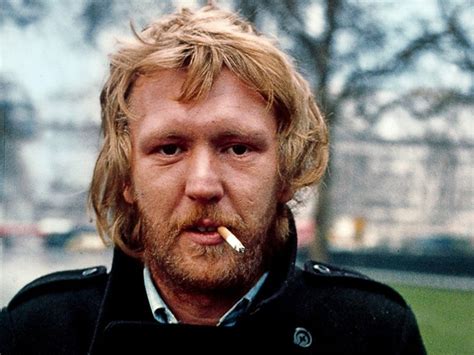
Harry Nilsson

A perfect voice, a crooked grin, and a pop record with the nerve to leave its fingerprints on the glass.

TRACK A — ENGLISH

Here comes Harry Nilsson, carrying a voice so immaculate it ought to have arrived in a velvet case, then using it to smuggle mischief past the doorman. He could make a melody float without showing you the ropes. Then he would put a coconut in the middle of the room and dare the serious people to explain why the joke stayed in their heads all week.

Nilsson Schmilsson is the glorious argument. “Without You” climbs to a height most singers would regard as a medical emergency; “Coconut” sits there grinning with almost nothing to say and refuses to leave. “Jump Into the Fire” kicks the furniture over. The album does not tidy those moods into one respectable personality. It lets the sentimentalist, the clown and the noise maker fight over the same microphone.

Then Son of Schmilsson opens its mouth wider and loses any interest in behaving. By Pussy Cats, made with John Lennon, the damaged voice itself is part of the record’s uneasy evidence. Listen closely: polish and fracture can occupy one piece of tape. The beautiful thing is not perfection. It is the moment a human decision breaks through the finish.

A VOICE CAN BE A MACHINE FOR BEAUTY AND STILL LEAVE THE SCREWS SHOWING.

TRACK B — SYMBOL ROUTE
[ VOICE ] ⊕ [ JOKE ] × [ HEARTBREAK ] → [ TAPE ] ∴ [ HUMAN SIGNAL ]

REFERENCE / Nilsson Schmilsson / official discography· Son of Schmilsson· Pussy Cats

KULTUR · KWIET NOISE · 5.508
KULTUR // KWIET NOISE 5.5Page 09

03 / SYMBOL / SYSTEM / MACHINE

THE SIGN BEFORE THE MACHINE

Dreyfuss did not predict a chatbot. He mapped a problem that AI now meets at enormous scale: how a mark carries meaning between people and systems.

TRACK A — ENGLISH

Henry Dreyfuss’s 1972 Symbol Sourcebook gathered graphic signs from many disciplines into a working reference. Its ambition was practical: a symbol should help someone act, even when language, place or expertise changes. The book organised marks by use, cross-reference and meaning. Its section headings appeared in English and seventeen other languages. This was a human-built information system on paper.

The connection to AI is an interpretation, not a prophecy. A present-day model can associate words, images and instructions at extraordinary speed, but an association is not understanding on its own. Dreyfuss’s book asks the question underneath the speed: who chose this sign, in what setting, for whom, and what happens when a reader gets it wrong? A universal-looking pictogram can still carry a local assumption.

Our Track A tells the story in sentences. Track B compresses it into a route. The wedge in clay, the industrial mark and the screen icon are not one inevitable march of progress. Each is made for a surface and a set of hands. Keep the source attached to the symbol. Let the machine translate, then let a person test whether the translation still means what it claims.

KULTUR · KWIET NOISE · 5.509
KULTUR // KWIET NOISE 5.5Page 10

A quiet note on company. Barnzley and house33 are held in the Cooper Hewitt collection — the same institution that keeps Henry Dreyfuss's working archive. Two designers from a shop magazine, shelved beside the person who wrote the rulebook for signs that behave. That is not a footnote; it is the whole argument of this page. The contribution to written language — the hand-drawn alphabet, the sign systems, the type that refuses to sit still — counts at the same address as the Sourcebook. Nobody made a fuss about it. The work simply went into the collection, got a number, and carried on doing its job: everywhere, on every surface, in everyone's field of vision, with no name tag. That is what cultural ubiquity looks like when it is real. It stops introducing itself.

A SYMBOL IS AN INSTRUCTION WITH A HISTORY.

TRACK B — SYMBOL ROUTE
[ MARK ] : [ SOURCE ] → [ CONTEXT ] → [ MODEL ] × [ HUMAN TEST ] ∴ [ MEANING ]

REFERENCE / Cooper Hewitt / How the Sourcebook Works· Cooper Hewitt / Symbol Sourcebook

KULTUR · KWIET NOISE · 5.510
KULTUR // KWIET NOISE 5.5Page 11

04 / TYPE / SHOP / CLOTH

A FONT WALKS INTO A SHOP

At 33 Marshall Street, lettering stepped off the specimen sheet and into the London street.

TRACK A — ENGLISH

House Industries opened its London shop at 33 Marshall Street before the House33 clothing line was fully worked out. That order matters. The shop was a physical test: could letterforms that travelled on screens and printed pages hold their own on a garment, a sign, a pair of jeans? The store did not last, but the number survived in the name.

The project brought type, photography and clothing into the same room. Ken Barber’s lettering, Andy Cruz’s art direction and the House33 collaboration with Barnzley made typography something you could wear and carry. A font is a system of repeatable shapes. A shirt gives that system seams, scale, bodies and weather. The same glyph behaves differently when it turns a corner or folds across a chest.

That is the route through this issue: code does not abolish cloth, and cloth does not make the code disappear. The sign goes out into the street, collects wear and comes back with a new meaning. A London storefront can be a printing press with a door.

THE LETTER LEFT THE PAGE. THE STREET FINISHED THE SENTENCE.

TRACK B — SYMBOL ROUTE
[ TYPE ] → [ SIGN ] → [ STORE ] ⊕ [ GARMENT ] × [ STREET ] ∴ [ LIVED MARK ]

REFERENCE / Communication Arts / House 33· type.co.uk / House33 and Barnzley

KULTUR · KWIET NOISE · 5.511
KULTUR // KWIET NOISE 5.5Page 12

05 / THE VISUAL ARCHIVEART / OBJECT / SOURCE

THE IMAGE TRACK.

Photographs, garments, symbols and painted surfaces. Select an image to see it in full.

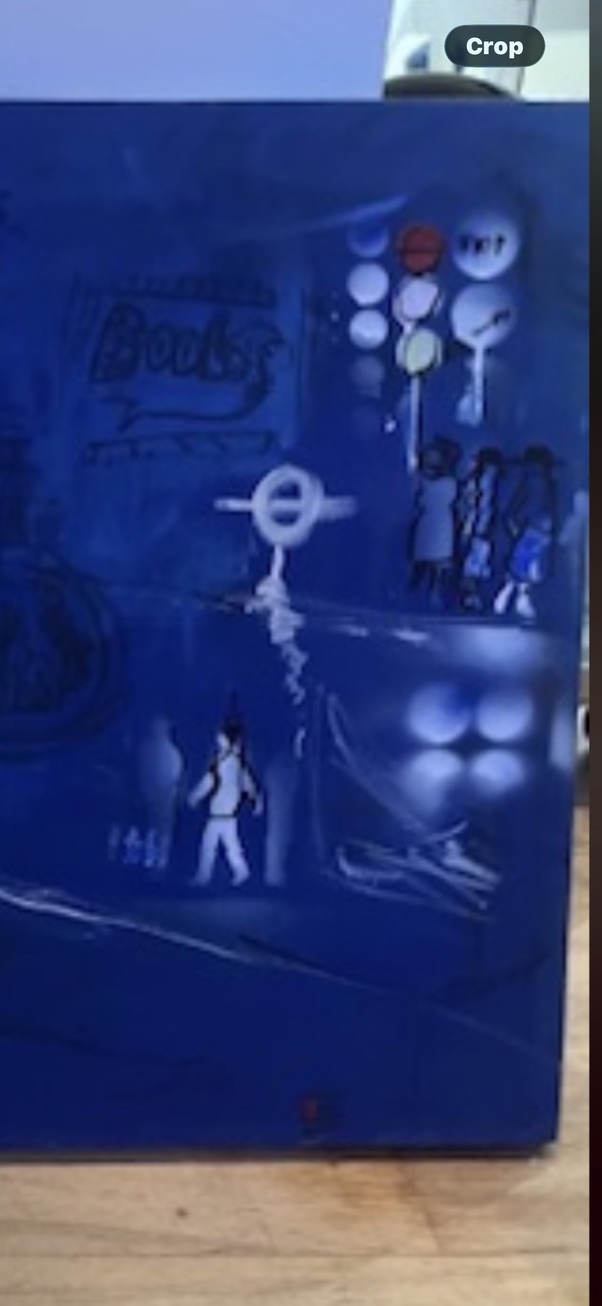
Blue painting with layered symbols, figures and circular marks

01 / PAINTED SURFACE THE BLUE PAINTING[ MARK ] × [ SYMBOL ] → [ FIELD ]

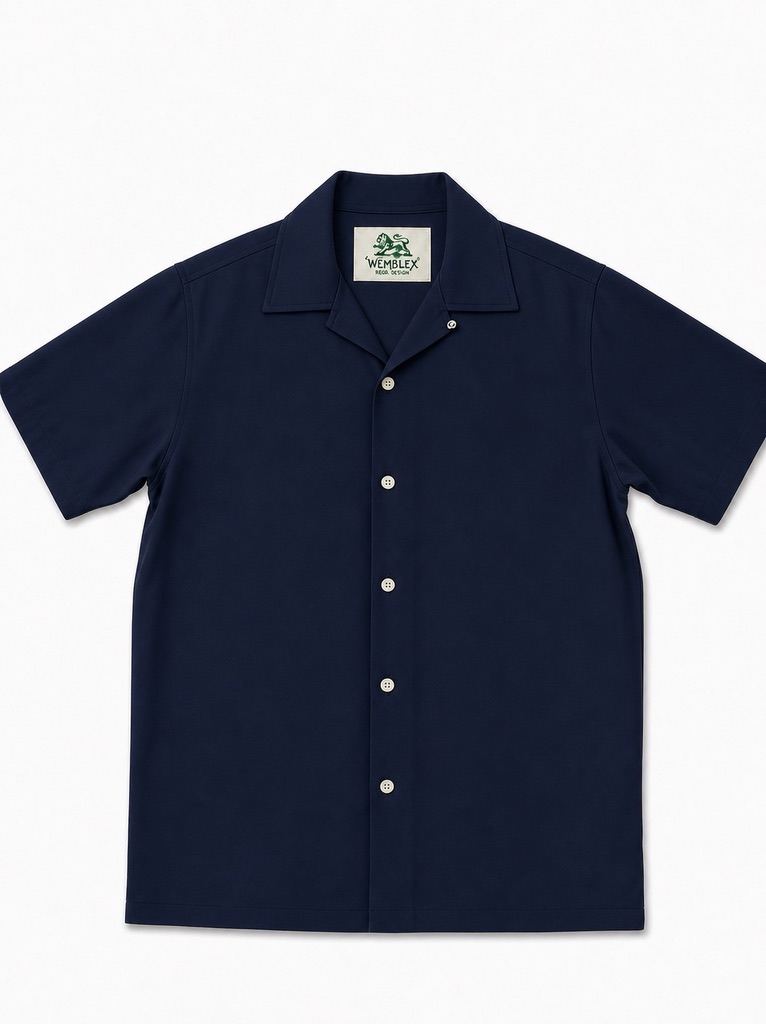
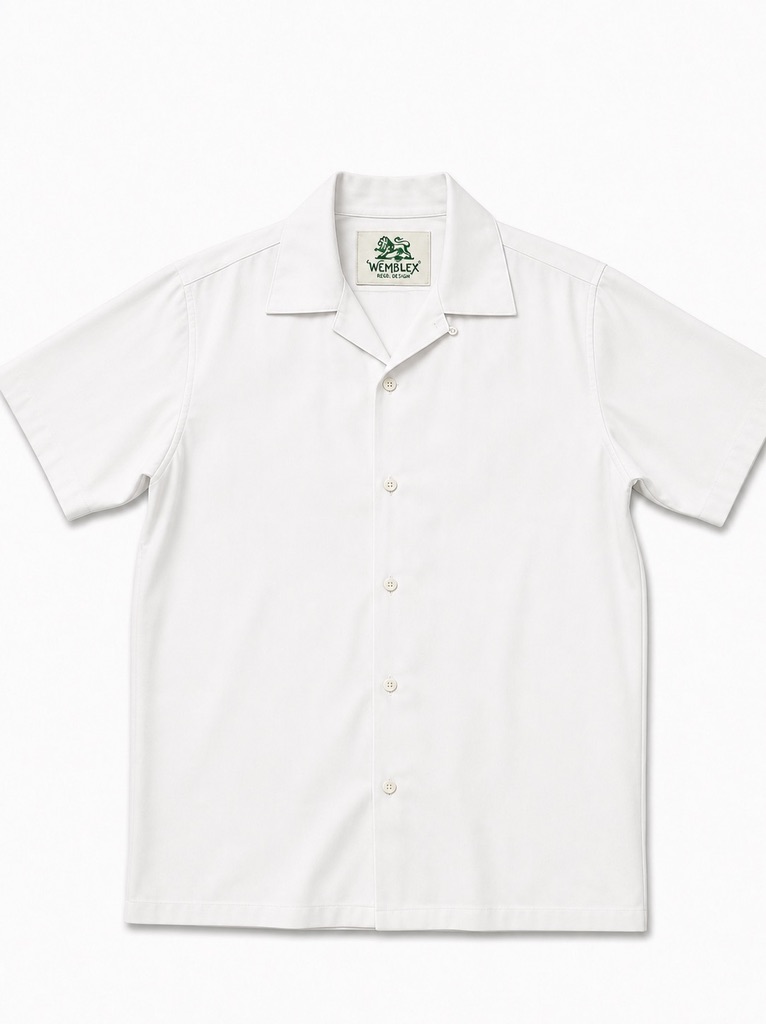
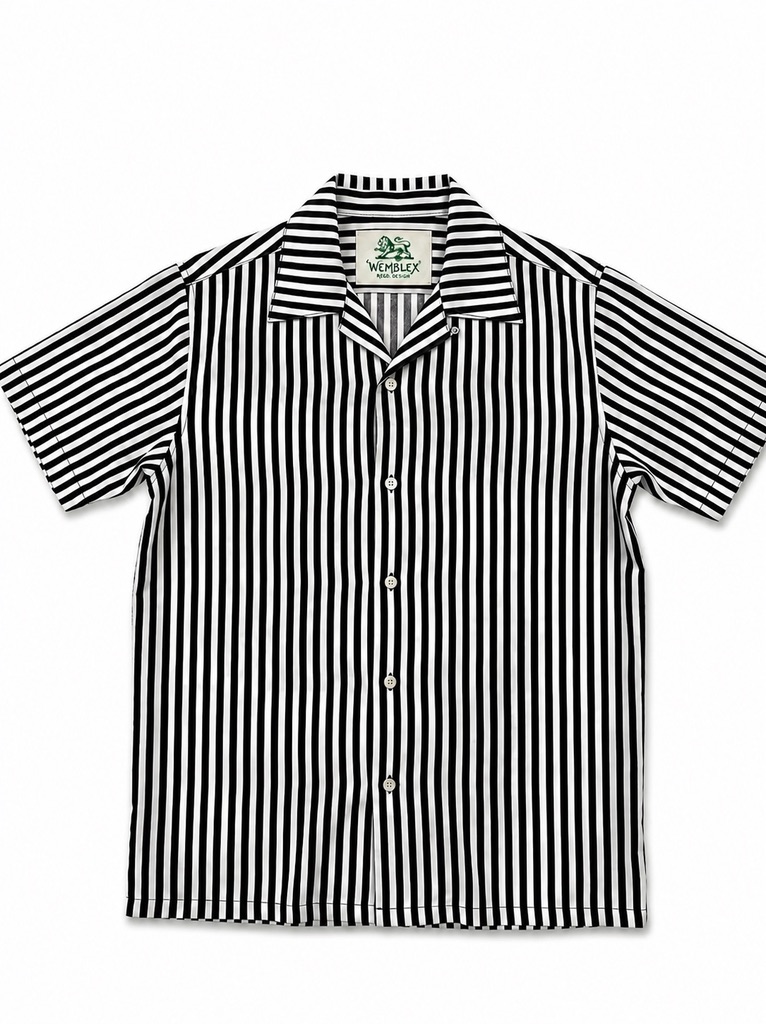
02 / WEMBLEX / GARMENT STUDIES

One shirt architecture, several surfaces. Open each piece to inspect its cut and detail.

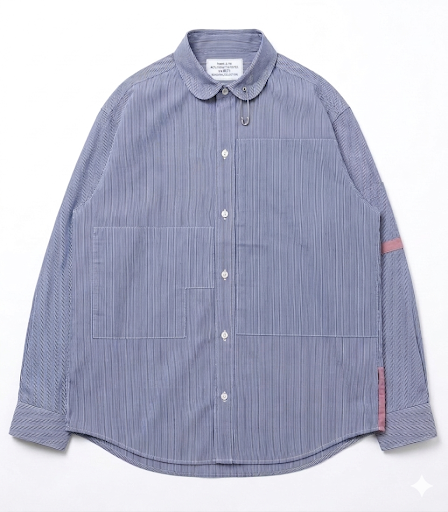
Navy Wemblex button shirt with a rounded open collar

01 / NAVY SHIRT

White Wemblex button shirt with a rounded open collar

02 / WHITE SHIRT

KULTUR · KWIET NOISE · 5.512
KULTUR // KWIET NOISE 5.5Page 13

Black and white striped Wemblex button shirt

03 / STRIPED SHIRT

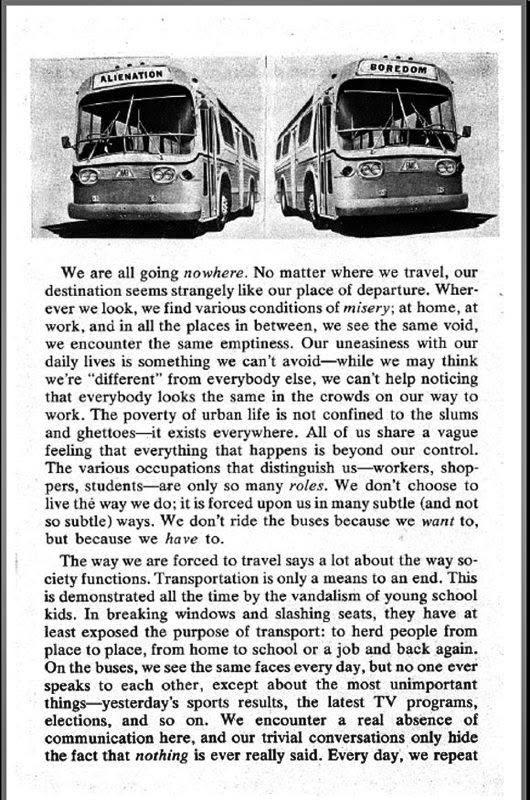
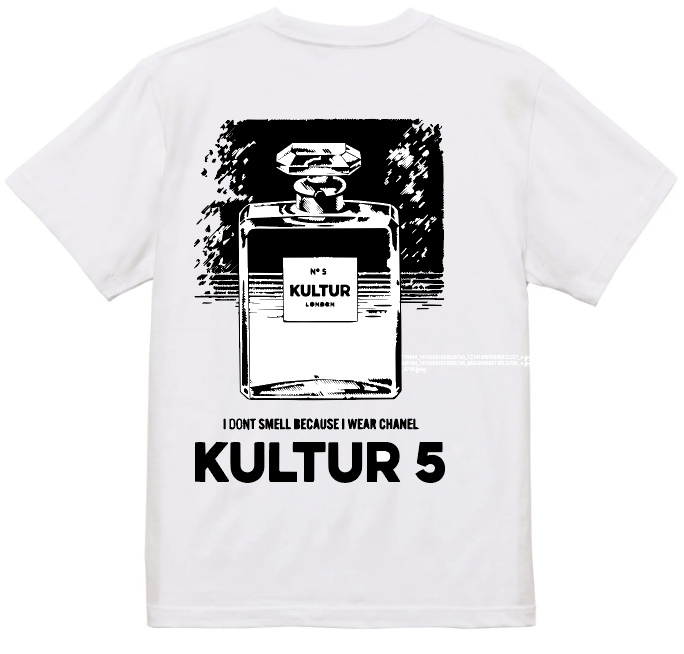
03 / PRINT / CODE / DECLARATION

The printed image moves from page to garment; the collection mark names the territory.

Black and white printed page with two buses labelled Alienation and Boredom

04 / ALIENATION / BOREDOM

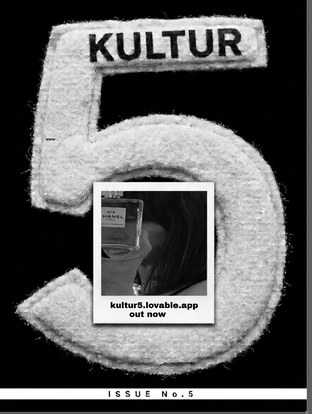
White KULTUR 5 T-shirt with a black printed fragrance image

05 / KULTUR 5 / GARMENT

KULTUR · KWIET NOISE · 5.513
KULTUR // KWIET NOISE 5.5Page 14

Black Wemblex Personal Private Public Collection lettering on white

06 / PERSONAL / PRIVATE / PUBLIC

04 / EARLIER VISUAL ARCHIVE

Additional images from the manifesto collage.

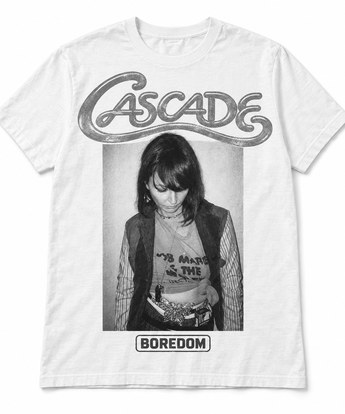
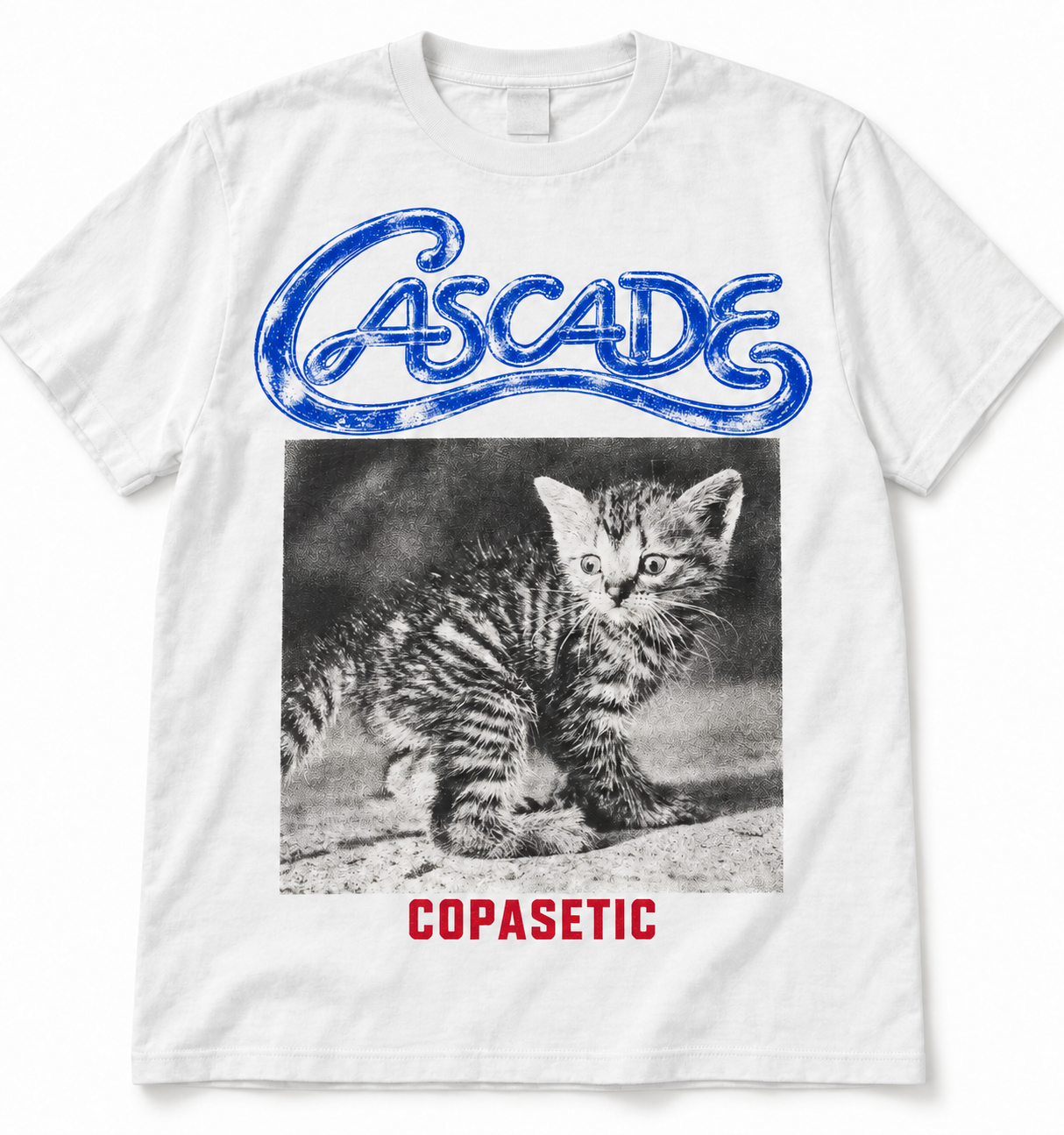
cascade artwork: boredom

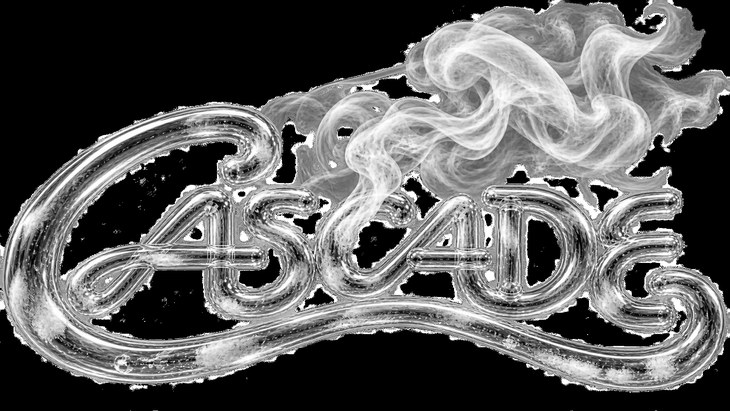
02CASCADE / BOREDOM

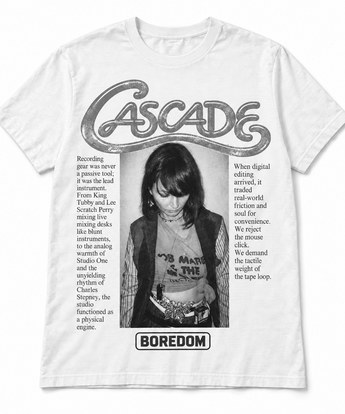
cascade artwork: type

03CASCADE / TYPE

KULTUR · KWIET NOISE · 5.514
KULTUR // KWIET NOISE 5.5Page 15

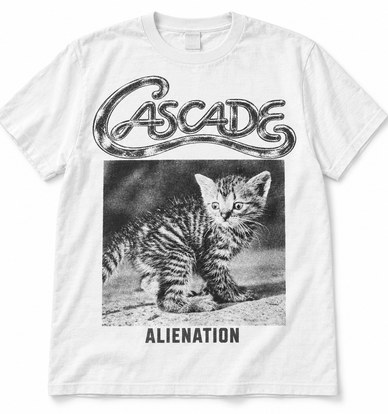
cascade artwork: alienation

04CASCADE / ALIENATION

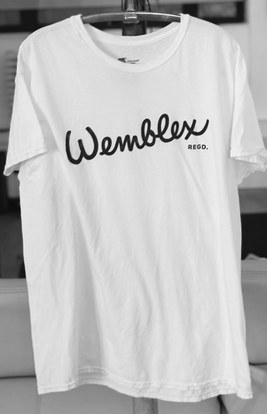
wemblex artwork: shirt

05WEMBLEX / SHIRT

street artwork: portrait

06STREET / PORTRAIT

KULTUR · KWIET NOISE · 5.515
KULTUR // KWIET NOISE 5.5Page 16

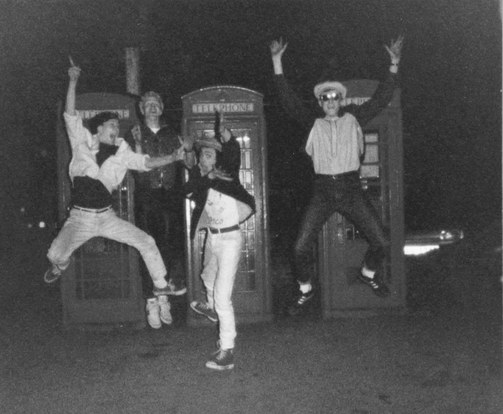
street artwork: two figures

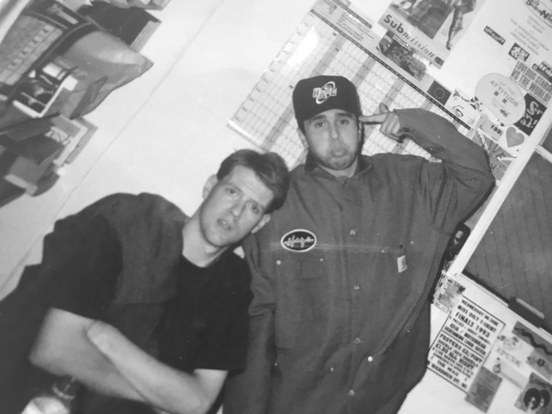
07STREET / TWO FIGURES

street artwork: red booth

08STREET / RED BOOTH

archive artwork: group

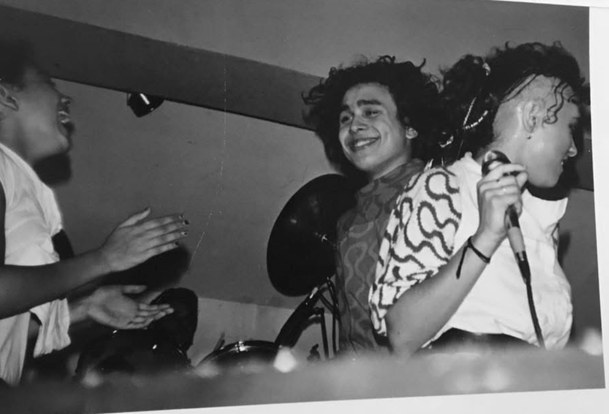
09ARCHIVE / GROUP

KULTUR · KWIET NOISE · 5.516
KULTUR // KWIET NOISE 5.5Page 17

archive artwork: dance

10ARCHIVE / DANCE

archive artwork: portrait

11ARCHIVE / PORTRAIT

archive artwork: fragrance

12ARCHIVE / FRAGRANCE

KULTUR · KWIET NOISE · 5.517
KULTUR // KWIET NOISE 5.5Page 18

archive artwork: smiley

13ARCHIVE / SMILEY

archive artwork: object

14ARCHIVE / OBJECT

archive artwork: street

15ARCHIVE / STREET

KULTUR · KWIET NOISE · 5.518
KULTUR // KWIET NOISE 5.5Page 19

archive artwork: print

16ARCHIVE / PRINT

archive artwork: garment

17ARCHIVE / GARMENT

archive artwork: signal

18ARCHIVE / SIGNAL

KULTUR · KWIET NOISE · 5.519
KULTUR // KWIET NOISE 5.5Page 20

archive artwork: form

19ARCHIVE / FORM

archive artwork: collage

20ARCHIVE / COLLAGE

archive artwork: figure

21ARCHIVE / FIGURE

KULTUR · KWIET NOISE · 5.520
KULTUR // KWIET NOISE 5.5Page 21

archive artwork: shirt

22ARCHIVE / SHIRT

archive artwork: texture

23ARCHIVE / TEXTURE

archive artwork: study

24ARCHIVE / STUDY

KULTUR · KWIET NOISE · 5.521
KULTUR // KWIET NOISE 5.5Page 22

archive artwork: image

25ARCHIVE / IMAGE

KULTUR · KWIET NOISE · 5.522
KULTUR // KWIET NOISE 5.5Page 23

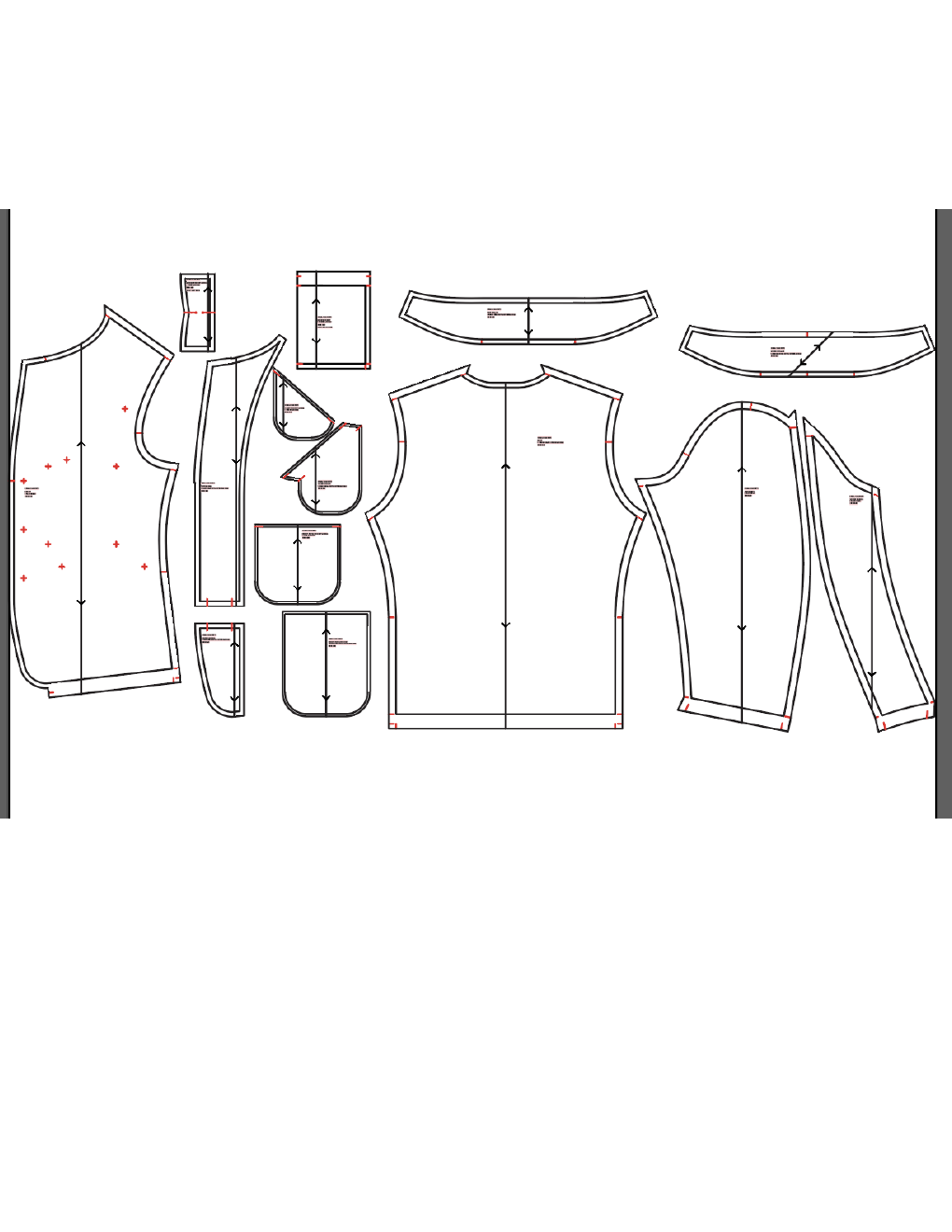
06 / FREE SEWING PATTERNKULTUR / CUT ON GRAIN

Original garment pattern drawing supplied for the men's size 38 draft

PATTERN / MEN'S 38

CUT / FOLD / ASSEMBLE.

A free test-fit jacket pattern redrafted from the original sheet for a 38-inch chest. Full-size pieces, grain arrows, cut and stitch lines, 10 mm seam allowance, and a sewing guide. Make a calico toile and adjust the fit before cutting final fabric.

A4 / HOME PRINT ↗ A0 / PRINT SHOP ↗ INSTRUCTIONS ↗

Print at actual size. Check the 50 mm square. A4 is tiled across 56 pages; A0 has 2 sheets.

KULTUR · KWIET NOISE · 5.523